
Key Takeaways
- Respite care provides temporary relief for family caregivers, typically lasting multiple days to weeks.
- Your loved one receives professional care and social activities during their short-term stay.
- Different types of respite care accommodate planned breaks, emergencies, and regular ongoing support.
- Respite stays offer 24/7 care and can serve as a trial experience for future senior living decisions.
Short-Term Stays
When you’re caring for a loved one, finding time to recharge can feel impossible. Between daily caregiving tasks, medical appointments, and your own responsibilities, you might wonder if there’s a way to get temporary relief without making permanent changes to your loved one’s living situation.
Yes, respite care is designed to be short-term, typically lasting multiple days to several weeks, giving family caregivers temporary relief while their loved ones receive professional care in a supportive environment. Kingston of Ashland understands the challenges families face and provides short-term respite care that supports both caregivers and their loved ones.
What Is Respite Care and How Does It Work
Respite care gives family caregivers temporary relief by providing professional care for their loved ones in a supportive setting. Think of it as a short-term solution that helps you take a break while knowing your family member receives quality attention and care.
This type of care supports both you and your loved one in different ways. You get time to rest, handle personal matters, or take a much-needed vacation, while your family member enjoys social activities, professional care, and a change of scenery.
Respite care takes place in various settings, including senior living communities, skilled nursing centers, and rehabilitation centers. The service benefits families who need temporary support, whether you’re dealing with caregiver burnout, planning a trip, or facing an unexpected emergency that requires your attention elsewhere.
Short-Term vs Long-Term Care Options
Respite care differs from permanent senior living because it’s specifically designed as a temporary solution. While long-term care involves moving your loved one permanently to a new living arrangement, respite care allows them to return home after their stay.
Most respite stays last anywhere from a few days to several weeks, depending on your family’s needs. Some caregivers use respite care for weekend breaks, while others arrange longer stays for extended vacations or to handle family emergencies. Respite care services can help prevent caregiver burnout while maintaining quality care.
The flexibility of respite care makes it appealing to families who aren’t ready for permanent changes but need support. You can schedule respite care when you need it most, whether that’s regularly throughout the year or occasionally during particularly challenging times. Respite care options help you make the right decision for your family.
Types of Respite Care Available
Multi-Day Respite Stays
Weekend and week-long respite options give you time to recharge without making long-term commitments. These stays work well when you need a few days to handle personal matters, attend events, or simply rest.
Extended respite stays accommodate longer breaks, such as family vacations, medical procedures, or emergencies. Your loved one receives consistent care while you handle whatever life brings your way. Skilled nursing services provide your family member with professional medical attention throughout their stay.
Planned Respite Care
Scheduling respite care in advance helps you plan breaks and increases the likelihood of availability at the community of your choice. Many families find this approach helpful for maintaining their own well-being while providing consistent care for their loved ones.
Regular respite arrangements offer ongoing support for families who need predictable breaks. You might schedule monthly weekend stays or seasonal longer breaks that work with your family’s routine and needs. Caregiver burnout resources can help you explore different scheduling options.
Emergency Respite Services
When unexpected situations arise—like your own illness, family emergencies, or sudden changes in your loved one’s care needs—emergency respite services provide immediate support. These services help when you can’t provide care and need professional assistance quickly.
Communities that offer emergency respite work to accommodate urgent needs, though availability can depend on current capacity and staffing. Having a relationship with a respite care provider beforehand can help during these challenging times.
Benefits of Short-Term Respite Care

Respite care gives you time to rest and rejuvenate, which helps prevent caregiver burnout. Taking breaks isn’t selfish—it’s necessary for maintaining your ability to provide quality care over the long term.
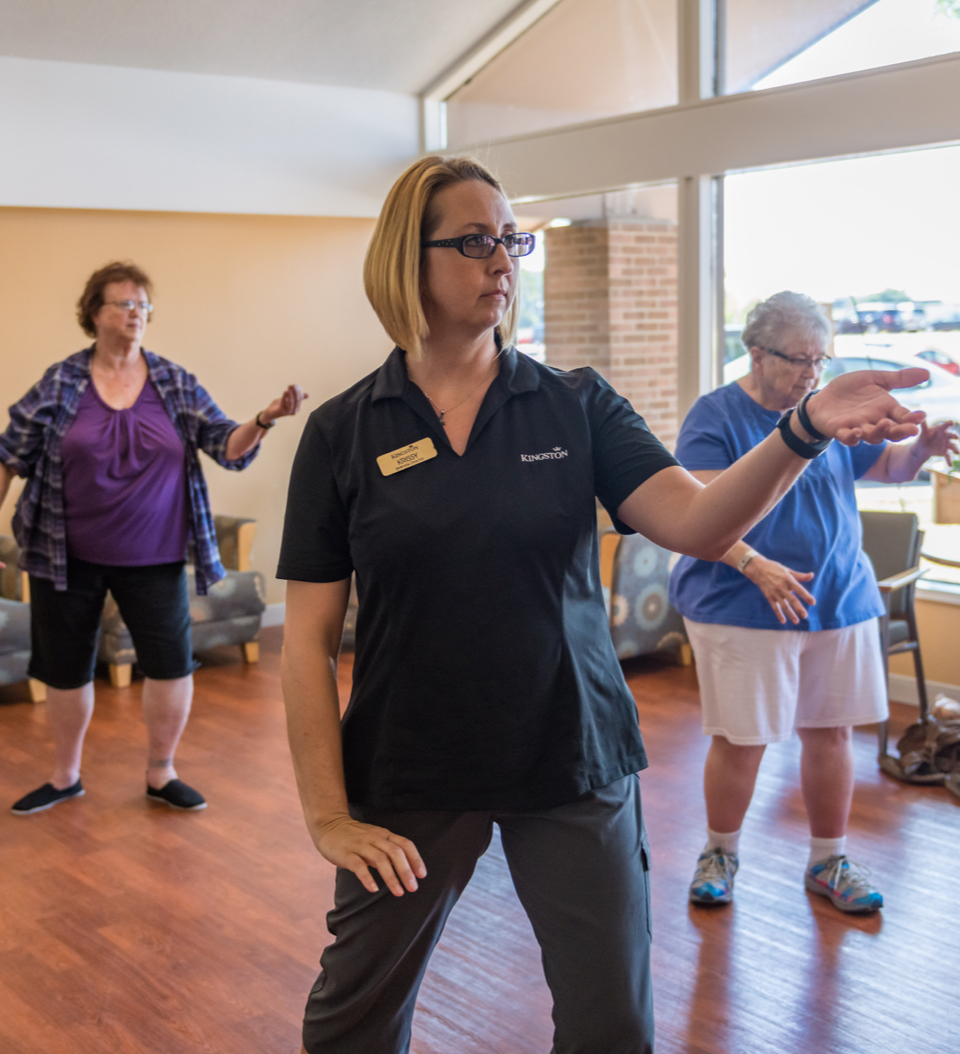
Your loved one benefits from social interaction and activities during their stay. They can participate in group activities, enjoy meals with others, and experience new routines that can be both stimulating and enjoyable. Wellness programs help residents stay active and engaged during their respite stay.
Professional care and 24/7 support during respite stays mean your family member receives attention from trained staff who understand their needs. This includes help with daily activities, medication management, and any medical concerns that arise.
Try Senior Living with Confidence Through Respite Care
Respite stays can also serve as a trial experience if you’re considering senior living options for the future. Both you and your loved one can get a feel for what professional care looks like without making permanent decisions.
If respite care sounds like something that could help your family, consider reaching out to Kingston of Ashland to learn more about their respite services and how they can support both you and your loved one during this important time in your lives. Schedule a tour with us today and see how respite care can benefit your family.