
Key Takeaways
- Seniors often experience anxiety, confusion, or depression after surgery due to pain, medication, and stress.
- Emotional symptoms typically peak in the first 2 weeks and improve gradually over 2–8 weeks.
- Common signs of distress include restlessness, sleep issues, persistent sadness, and lack of focus.
- Helpful strategies include creating calming routines, maintaining social connection, and encouraging light activities.
- Professional support, such as counseling or short-term rehab, can ease recovery and address emotional needs.
How to Help an Older Loved One’s Mental Health After Surgery
Surgery can be difficult at any age, but older adults may face added emotional strain during recovery. Pain, medication side effects, and fears about independence often combine to create stress, confusion, or even sadness. That’s why emotional well-being deserves just as much attention as physical healing during this time.
The good news is that post-surgery mental health challenges in seniors are treatable. These feelings are often temporary, especially when someone has a proper support system. If you’re ever unsure about how to help a loved one, it helps to reach out to a team of experienced senior care professionals near you.
Post-Surgery Mental Health Challenges in Seniors
Older adults are particularly vulnerable to emotional shifts after surgery. So, it helps to learn about the most common psychological issues—and why they occur.
Common Psychological Issues After Surgery
Many families are surprised to learn how often surgery impacts mood and cognition. Emotional changes may appear quickly or gradually, and they’re often tied to factors like medication, environment, and stress levels. The most frequent psychological challenges include:
- Anxiety, including restlessness or heightened worry
- Persistent sadness or loss of interest in daily life
- Temporary confusion or memory difficulties
- Changes in sleep, appetite, or energy levels
Their systems process medication differently, and many already live with health conditions that can complicate healing. On top of that, recovery often brings big life questions. And when those feelings go unaddressed, emotional distress can grow.
Recognizing Warning Signs and Symptoms After Surgery
Anxiety after surgery often shows up in both physical and emotional ways. You might notice changes in your loved one’s behavior or complaints about physical discomfort that seem unrelated to their surgical site. So, watch for signs such as:
- Sudden restlessness or pacing
- Trouble falling or staying asleep
- Constant worrying about progress or outcomes
- Persistent sadness or lack of interest in daily activities
- Changes in appetite, weight, or energy
- Trouble focusing or following conversations
If symptoms seem to linger or get worse after the first two weeks, reach out to an experienced senior care provider or healthcare professional for support.
How Long Does Depression Last After Surgery?
Knowing what to expect in the weeks following surgery can help families provide better care and reassurance. While recovery timelines vary, here’s a general breakdown of what’s typical.
Immediate Post-Surgery Period (0-2 Weeks)
It’s common for the first couple of weeks to feel emotionally intense. Anesthesia, pain medication, and the stress of hospitalization all play a role. Many seniors experience mood swings or confusion during this time, but these symptoms usually fade as the body stabilizes.
Extended Recovery Phase (2-8 Weeks)
Between weeks two and eight, most older adults start feeling more like themselves. That said, recovery timelines vary based on the type of surgery, preexisting conditions, and overall resilience. If emotional symptoms are still strong after the 8-week mark, your loved one may benefit from more professional care.

How to Stop Post-Surgery Anxiety in a Loved One
Supporting your loved one through recovery doesn’t have to be complicated. A few consistent strategies can make a big impact—especially when care is customized to meet emotional as well as physical needs.
Create a Calming Routine
Simple, daily structure can go a long way in supporting emotional recovery. Familiar objects, favorite music, and consistent routines help reduce uncertainty and anxiety. It’s also helpful to encourage quiet moments for deep breathing or reflection.
Stay Connected Through Positive Interaction
Regular conversations with family and friends can uplift mood and strengthen motivation. Even short, meaningful check-ins can bring comfort. Encouraging your loved one to talk about progress—or simply reminisce about happy memories—can help boost morale during tough days.
Engage Professional Support Early
If your loved one seems overwhelmed or disconnected, don’t wait to bring in professional help. Counselors, nurses, and skilled therapists are trained to support emotional healing alongside physical care. In a senior living community, these services are often integrated into short-term rehabilitation programs.
Encourage Light, Enjoyable Activities
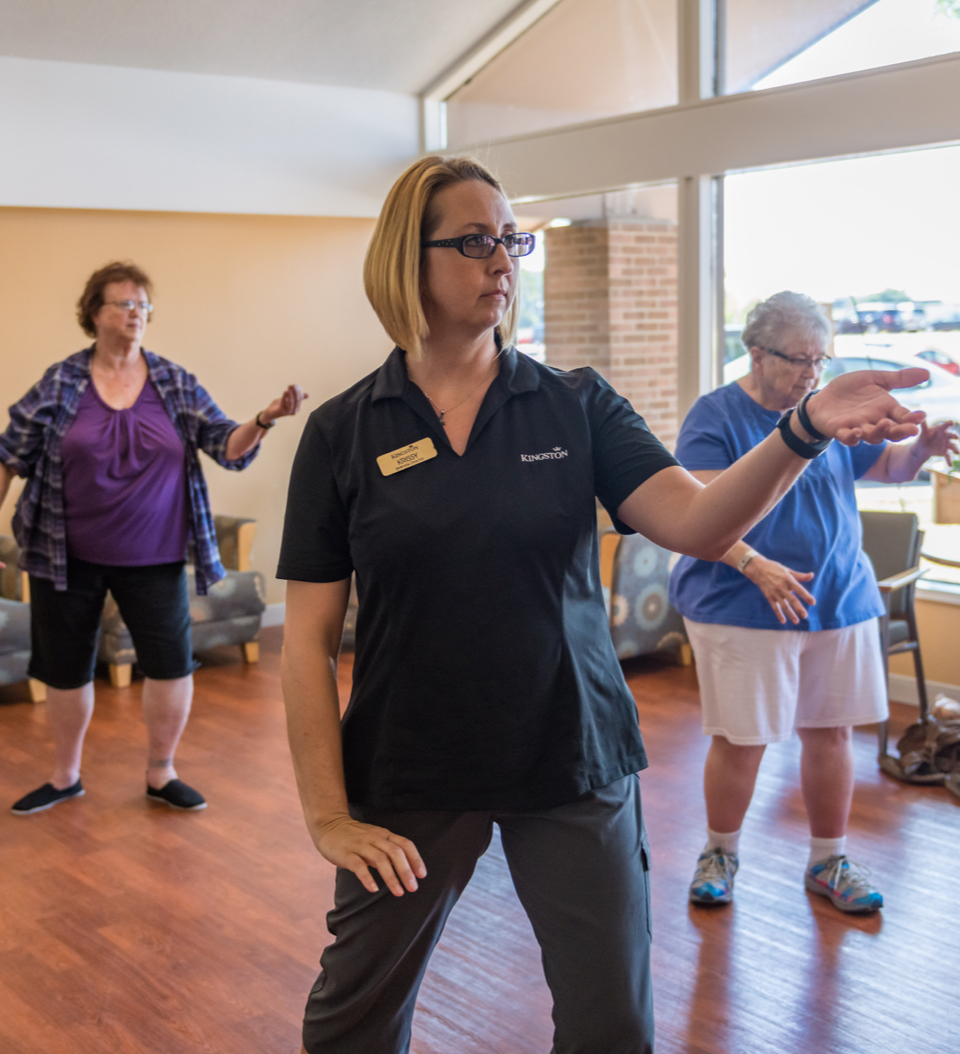
Reintroducing gentle activities like puzzles, reading, or nature walks can spark joy and promote healing. The goal isn’t to rush progress—it’s to support moments of calm and purpose throughout the day. This can be a wonderful way to bring joy to your loved one’s day.
Creating a Supportive Recovery Environment
Even with the best intentions, family caregivers may need help during a loved one’s post-surgery recovery. Knowing how to communicate, advocate, and support mental health takes practice—and sometimes extra hands.
So, it helps to:
- Be present and patient; active listening goes a long way
- Talk positively about healing milestones, even small ones
- Share your concerns gently, and involve care professionals if needed
- Set routines together to rebuild comfort and consistency
- Use outside help when recovery needs exceed home care
Support doesn’t have to be perfect. It just needs to be consistent, compassionate, and informed by your loved one’s needs.
Trust a Team of Professionals to Help
At Kingston of Ashland, we know post-surgical recovery is about more than just physical healing. Our team offers 24/7 skilled nursing care, personalized rehabilitation services, and emotional support plans tailored to each resident’s unique journey. If your loved one is recovering from a surgery, our team knows how to help.
If someone you love is struggling with anxiety or depression after surgery, we’re here to give them the care they deserve. Contact our team today, and together, let’s make a difference in your loved one’s life, just like they deserve.