When you or a loved one experiences a stroke, the road ahead can feel overwhelming. You’re facing changes that affect movement, speech, and daily activities—but you’re not facing them alone. Recovery takes time, patience, and the right support system to help you rebuild your strength and independence.
At Kingston of Ashland, rehabilitation services provide the specialized care, therapy, and 24/7 support you need to recover from a stroke and regain your quality of life. With a dedicated team of professionals and personalized care plans, rehabilitation communities help you work toward your recovery goals in a safe, supportive environment.
Key Takeaways
- Stroke recovery affects movement, speech, and daily activities, but professional rehabilitation can help you regain these abilities.
- Physical, occupational, and speech therapy work together to address different aspects of your recovery.
- Skilled nursing communities provide 24/7 medical support and specialized equipment for safe, effective rehabilitation.
- Your recovery plan is personalized to your needs and adjusted as you make progress.
- Family involvement and social interaction play important roles in your healing journey.
What Happens After a Stroke
A stroke affects how your brain communicates with the rest of your body. You might notice changes in your ability to move one side of your body, speak clearly, or remember familiar tasks like brushing your teeth. These changes happen because the stroke interrupts blood flow to specific areas of your brain.
Common challenges during recovery include weakness on one side of your body, difficulty with balance, trouble finding words, or problems with swallowing. Some people also experience fatigue, confusion, or emotional changes. These effects can make simple activities like getting dressed or preparing meals feel much harder than before.
Professional rehabilitation support makes a significant difference in your recovery because trained therapists know how to help your brain create new pathways around the damaged areas. They use specific exercises and techniques that encourage healing while keeping you safe from falls or other injuries.
Recovery timelines vary for everyone, but most improvement happens in the first 3–6 months after your stroke. However, your brain can continue healing and adapting for months or even years with consistent therapy and practice.
Types of Rehabilitation Services
Physical Therapy for Movement and Strength
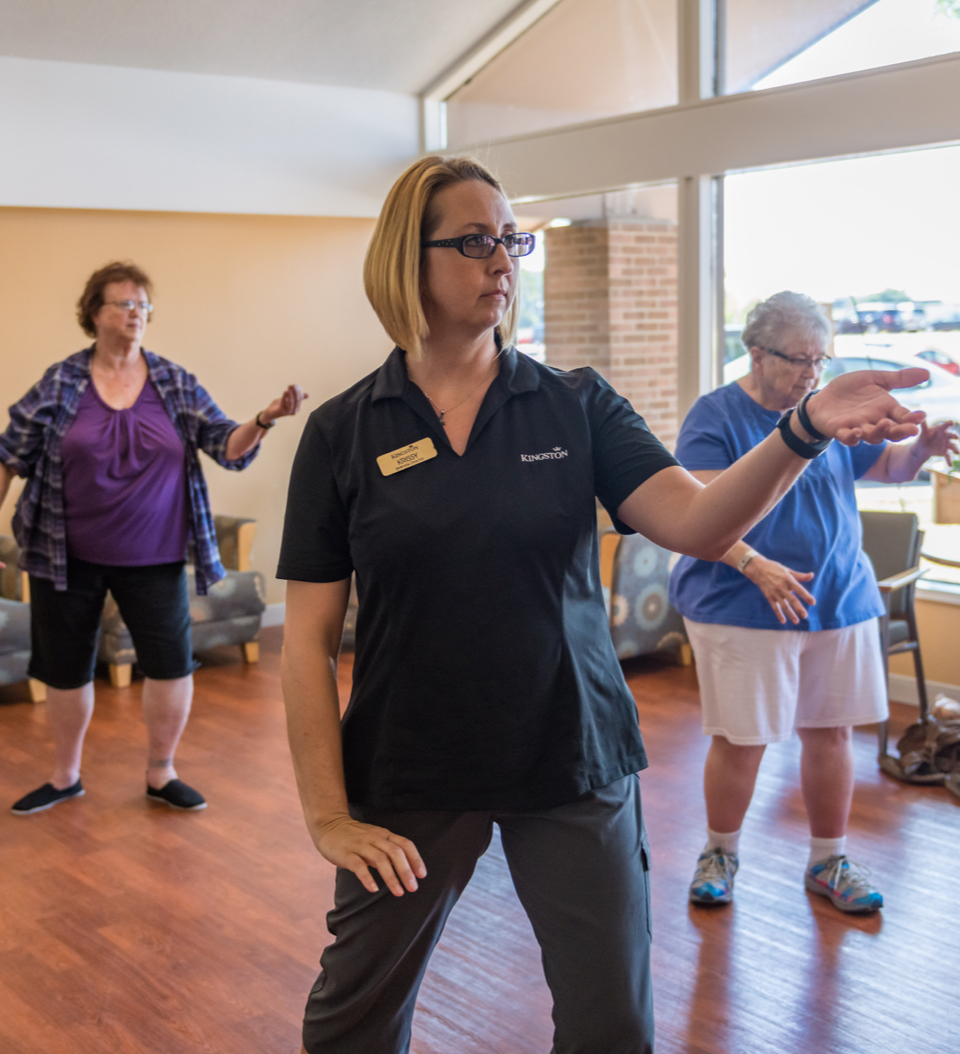
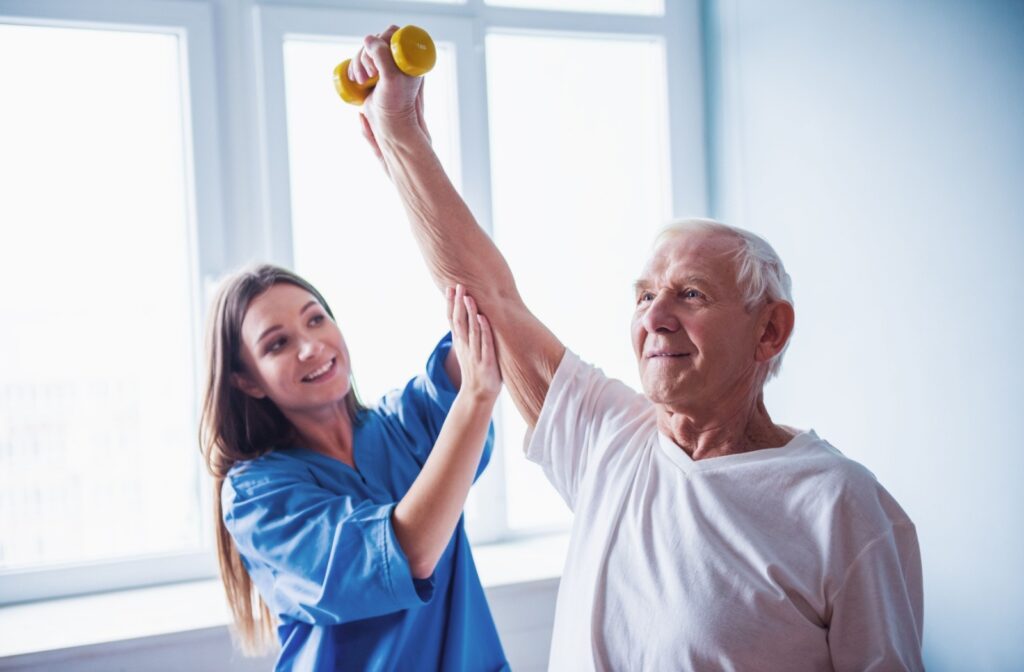
Physical therapy helps you rebuild the muscle strength and coordination that may have been affected by your stroke. Your physical therapist works with you to strengthen weak muscles and improve how your arms and legs work together during movement.
Balance training becomes particularly important because stroke can affect your stability and increase your fall risk. You’ll practice standing, walking, and turning safely while your therapist provides support and guidance.
Walking and mobility improvement focuses on helping you move around confidently. This might involve using assistive devices like walkers or canes, or working toward walking independently again.
Occupational Therapy for Daily Living
Occupational therapy helps you relearn everyday tasks that stroke may have made difficult. Your occupational therapist teaches you new ways to dress yourself, eat meals, and take care of personal hygiene when one side of your body isn’t working as well as before.
You’ll learn adaptive techniques that make personal care easier and safer. This might include using special utensils for eating, grab bars in the bathroom, or techniques for getting dressed while sitting down.
Home safety skills preparation helps you return to your own home with confidence. Your therapist can recommend modifications and teach you strategies to navigate your living space safely.
Speech and Language Therapy
Speech therapy addresses communication challenges that can occur after a stroke. Your speech therapist helps you rebuild your ability to speak clearly, find the right words, and understand what others are saying to you.
Swallowing safety becomes important because stroke can affect the muscles you use to swallow food and liquids. Your therapist evaluates your swallowing ability and teaches you techniques to eat and drink safely.
Cognitive function support helps with memory, attention, and problem-solving skills that might be affected. These exercises help your brain reconnect and strengthen the pathways needed for clear thinking.
Benefits of Rehabilitation in a Skilled Nursing Community
When you choose rehabilitation in a skilled nursing community, you have access to medical support around the clock. Nurses and healthcare professionals monitor your condition and can respond quickly if you need assistance or have concerns about your recovery.
A coordinated care team approach means your physical therapist, occupational therapist, speech therapist, and medical team all work together. They share information about your progress and adjust your treatment plan to help you recover more effectively.
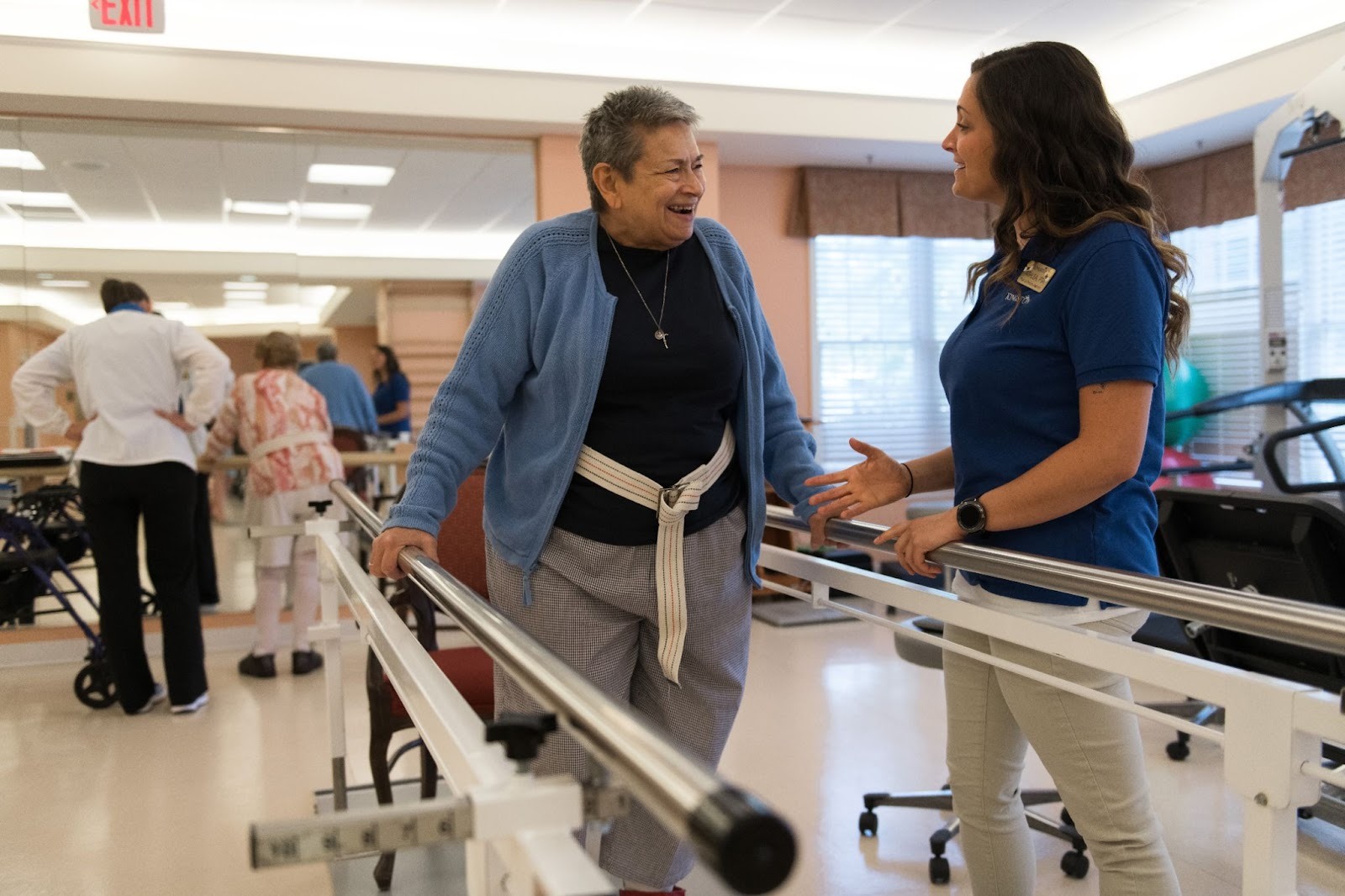
Specialized equipment and therapy spaces provide you with tools that aren’t available at home. This includes parallel bars for walking practice, specialized exercise equipment, and adaptive devices that support your therapy goals.
Social interaction with other residents helps combat the isolation that can slow recovery. You’ll meet others who understand what you’re going through and can offer encouragement along the way. Family involvement in your recovery plan keeps your loved ones informed and teaches them how to support your continued progress when you return home.
How Kingston of Ashland Supports Stroke Recovery
The rehabilitation team at Kingston of Ashland brings years of experience helping people recover from strokes. They understand the unique challenges you face and create personalized approaches that work with your specific needs and goals.
During your stay, you’ll have a comfortable private or semi-private room where you can rest between therapy sessions. The community provides nutritious meals designed to support your healing, and the kitchen staff can accommodate special dietary needs related to swallowing difficulties.
Located just 5 minutes from Samaritan Regional Hospital and 20 minutes from OhioHealth MedCentral Hospital, Kingston of Ashland maintains strong connections to local medical resources. This proximity means you have quick access to additional medical care if needed during your recovery.
The team focuses on preparing you for a successful return home through short-term stay options that concentrate on intensive rehabilitation. They work with you and your family to develop strategies for continuing your recovery in your own environment.
Contact Kingston of Ashland today to learn how their rehabilitation services can support your stroke recovery journey. Your path to regaining independence starts with the right care team by your side.