When you’re recovering from surgery, your body works overtime to heal tissues, fight off infection, and restore your strength. During this time, what you eat becomes more important than ever before. The right foods can help you feel better faster, while poor nutrition can slow down your recovery and leave you feeling weak.
At Kingston of Ashland, we understand how proper nutrition supports your healing journey, and we provide extra support through personalized skilled nursing care and short-term stays for surgery recovery.
Proper nutrition plays a critical role in faster recovery after surgery by providing your body with the energy and building blocks it needs to repair tissues, support immune function, and regain strength. Whether you’re recovering from a minor procedure or major surgery, the nutrients you consume directly impact how quickly and completely you heal.
Key Takeaways
- Your body needs extra protein, vitamins, and minerals to heal properly after surgery.
- Protein helps rebuild damaged tissues while vitamin C supports wound healing.
- Zinc and iron work together to boost immune function and prevent infection.
- Common challenges like reduced appetite and nausea can make eating difficult.
- Professional care teams can provide personalized nutrition support during recovery.
How Proper Nutrition Supports Your Body’s Healing Process
Think of your body like a construction site after surgery. Workers need materials to rebuild damaged areas, and your cells need nutrients to repair tissues. Your body uses significantly more energy during recovery than it normally would, sometimes requiring up to 20% more calories than usual.
Protein acts like the building materials for your healing tissues. When you don’t get enough protein, your body struggles to rebuild damaged muscles and skin. This can lead to slower wound healing and increased risk of complications.
Vitamins and minerals serve as the tools that help your immune system function properly. They support white blood cell production, help control inflammation, and assist with pain management. Good nutrition also helps maintain your energy levels, so you can participate in physical therapy and daily activities that support your recovery. Understanding these activities of daily living becomes crucial for assessing your functional progress during recovery.
Key Nutrients That Speed Up Recovery
Protein for Tissue Repair
Your body breaks down protein into amino acids, which serve as the building blocks for new tissue. After surgery, you need about 1.2 to 1.5 grams of protein per kilogram of body weight daily. For a 150-pound person, that’s roughly 80 to 100 grams of protein each day.
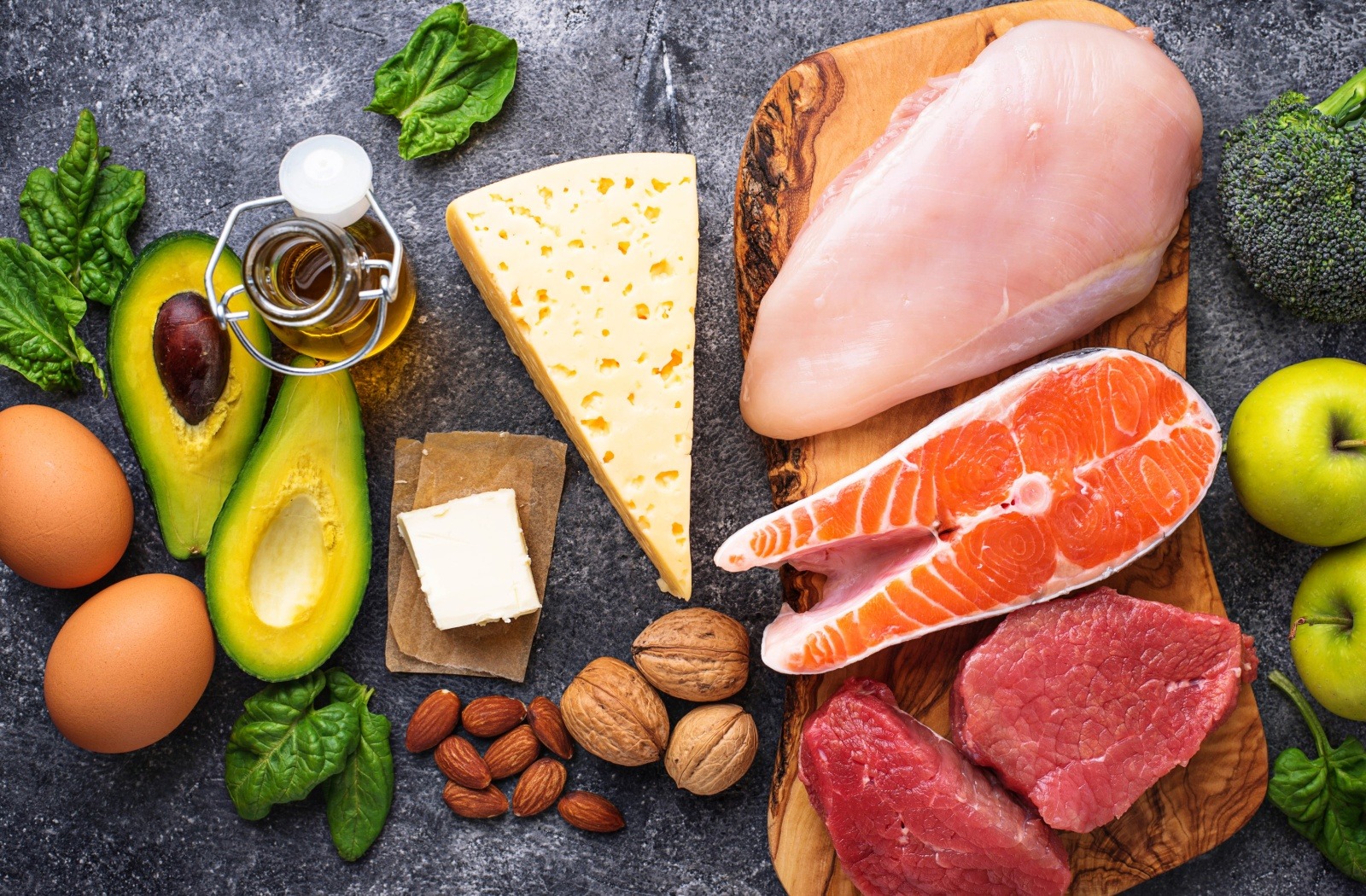
Lean meats, fish, eggs, and dairy products provide complete proteins with all the amino acids your body needs. A 3-ounce serving of chicken breast contains about 26 grams of protein, while one large egg provides 6 grams.
If you prefer plant-based options, beans, lentils, nuts, and quinoa offer good protein sources. You can combine different plant proteins throughout the day to get all the amino acids your body requires for healing.
Vitamin C for Wound Healing
Vitamin C helps your body produce collagen, a protein that forms the foundation of healthy scar tissue. Without enough vitamin C, wounds heal more slowly and scar tissue becomes weaker. You need about 75 to 90 milligrams daily, but during recovery, you might benefit from slightly higher amounts.
Citrus fruits like oranges and grapefruits are great sources. Bell peppers, strawberries, and kiwi fruit also pack high amounts of vitamin C.
Vitamin C also supports your immune system, helping your body fight off infections that could complicate your recovery. It works alongside other antioxidants to reduce inflammation and protect your healing tissues.
Zinc and Iron for Immune Support
Zinc helps with protein synthesis and immune function, while iron supports oxygen delivery to your healing tissues. These minerals work together to keep your immune system strong and help prevent infections at surgical sites.
You can find zinc in shellfish like oysters and crab, as well as in pumpkin seeds, chickpeas, and whole grains. Iron comes from lean red meat, poultry, fish, and plant sources like spinach and fortified cereals.
Your body absorbs iron better when you eat it with vitamin C-rich foods. Try pairing iron-rich spinach with citrus fruits, or eating fortified cereal with orange juice to maximize absorption.
Foods to Include in Your Post-Surgery Diet

Learning more about healthy foods for aging can help you make better nutritional choices during recovery. In general, try to focus on colorful fruits and vegetables that provide antioxidants to fight inflammation and support healing.
Berries, leafy greens, and orange vegetables like sweet potatoes offer powerful nutrients in easy-to-eat forms. These foods also provide fiber to help prevent constipation, which can be a common side effect of pain medications.
Whole grains like brown rice, quinoa, and oatmeal provide sustained energy without causing blood sugar spikes. They also contain B vitamins that help your body convert food into energy for healing. Choose easy-to-digest options when your appetite is low or you’re experiencing nausea.
Basic Tips:
- Healthy fats from salmon, avocados, and olive oil support hormone production and reduce inflammation.
- Clear broths and herbal teas help maintain hydration without overwhelming your digestive system.
- Yogurt and kefir provide probiotics that support digestive health during antibiotic treatment.
- Smoothies and soups make it easier to consume multiple nutrients when solid foods feel unappealing.
Common Nutrition Challenges After Surgery
Many people experience reduced appetite after surgery due to pain medications, anesthesia effects, or simply feeling unwell. Your sense of taste might change temporarily, making favorite foods seem unappealing. These changes are normal but can make it difficult to get the nutrition you need.
Nausea and digestive discomfort often occur, especially in the first few days after surgery. Some procedures can affect your ability to swallow or chew comfortably. Medications might cause dry mouth, constipation, or changes in how foods taste. Understanding when you might need short-term care can help you plan for proper nutritional support during recovery.
- Start with small, frequent meals instead of 3 large ones
- Keep easy snacks like crackers or toast nearby for when you feel slightly hungry
- Try cold or room-temperature foods if hot foods smell too strong
- Sip fluids throughout the day rather than drinking large amounts at once
- Ask family members to help prepare appealing, nutritious meals
When you choose skilled nursing and rehabilitation services, you gain access to registered dietitians who understand the unique nutritional needs of people recovering from surgery. These professionals create personalized meal plans based on your specific procedure, dietary restrictions, and food preferences.
A Place to Recover with Full Support
With 24/7 care available, our staff members can help you with eating and drinking when you need assistance. They can also monitor your nutritional intake and weight changes, adjusting your meal plan as your recovery progresses. This level of support helps address nutrition challenges before they impact your healing process.
Having access to nourishing culinary experiences means you don’t have to worry about meal planning or preparation during your recovery. Instead, you can focus your energy on healing while knowing your nutritional needs are being met by caring professionals who understand the recovery process.
Contact Kingston of Ashland today to learn more about how our personalized nutrition support can help speed your recovery and get you back to the activities you love.