Key Takeaways
- Adaptive utensils help seniors overcome common eating challenges after rehabilitation, including weak grip, tremors, and limited mobility.
- Different types of adaptive tools address specific needs, from weighted handles for stability to angled designs for easier food transfer.
- Signs your loved one might benefit include difficulty cutting food, dropping utensils, or avoiding meals due to frustration.
- Skilled nursing communities provide occupational therapy support to select and train with the right adaptive tools.
- Family encouragement and patience play important roles in helping loved ones adjust to new dining methods.
Adaptive Eating Utensils for Seniors
You’ve watched your loved one work hard through rehabilitation, making progress day by day. Now they’re ready to return home or move to senior living, but you notice mealtime has become more challenging than before. Simple tasks like cutting food or bringing a spoon to their mouth seem frustrating and tiring.
Adaptive utensils can help your loved one regain independence at mealtime by addressing specific challenges like weak grip strength, limited mobility, or coordination difficulties that often follow rehabilitation.
These specially designed tools bridge the gap between recovery and confidence, helping seniors enjoy their meals while maintaining their dignity and nutritional health through comprehensive Kingston of Ashland care and support from rehabilitation teams.
What Are Adaptive Utensils and How Do They Help
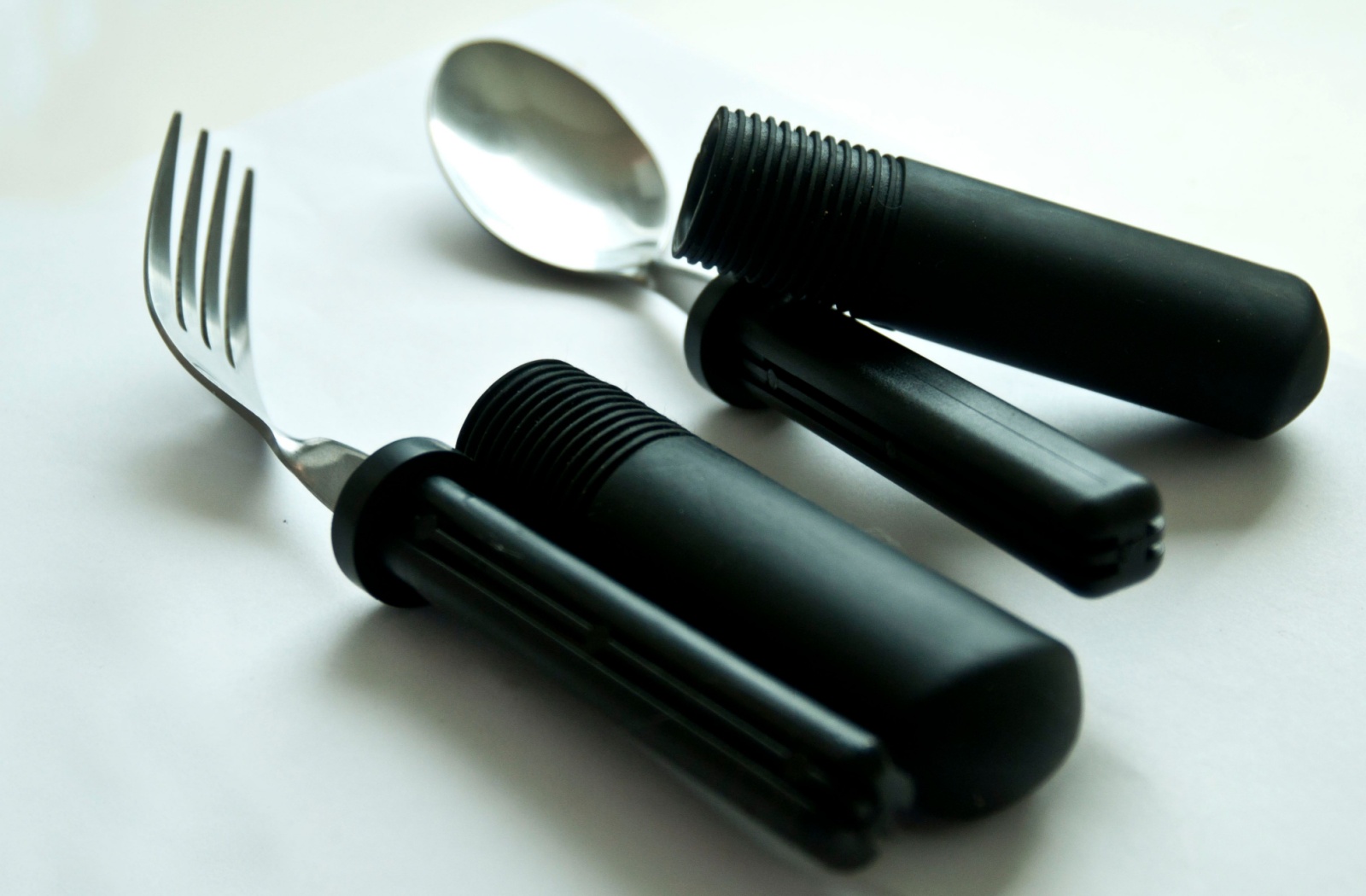
Adaptive utensils are specially designed eating tools that make mealtime easier for people with physical challenges. These modified forks, spoons, and knives feature larger handles, different angles, or added weight to help seniors eat more comfortably and independently.
After rehabilitation, many seniors face new challenges at mealtime. Your loved one might struggle with a weaker grip, reduced coordination, or a limited range of motion in their arms or wrists. Standard utensils can feel slippery, too light, or difficult to maneuver, turning what should be an enjoyable experience into a source of frustration.
Adaptive utensils address these specific issues by providing control and stability. They help your loved one maintain proper nutrition, which directly supports their ongoing recovery and overall health.
When eating becomes easier and less tiring, seniors are more likely to finish their meals and get the nutrients they need to continue healing and building strength through regular physical activity and physical therapy.
Types of Adaptive Utensils for Different Needs
Weighted and Built-Up Handle Utensils
These utensils feature extra weight and thicker handles that help seniors with tremors or weak grip strength. The added weight provides natural stability, reducing shaking and making it easier to guide food from plate to mouth.
Built-up handles are especially helpful for your loved one if arthritis or stroke has affected their hand strength. The larger diameter requires less finger dexterity to hold securely, reducing hand fatigue during meals.
Angled and Curved Utensils
When your loved one has limited wrist or arm mobility, angled utensils can make a significant difference. These tools curve at specific angles that reduce the amount of wrist rotation needed to bring food to the mouth.
Right and left-angled versions accommodate different needs and dominant hands. The curved design helps your loved one eat more naturally without straining joints or muscles that are still recovering from injury or surgery.
Rocker Knives and One-Handed Tools
Rocker knives allow your loved one to cut food using a simple rocking motion with just one hand. This eliminates the need to coordinate both hands simultaneously, which can be challenging after a stroke or if one arm has limited function.
Combination tools that serve as both a fork and a knife help seniors who can only use one hand effectively. These adaptive utensils promote independence and reduce reliance on others for basic food preparation during meals.
When Your Loved One Might Benefit from Adaptive Utensils

You might notice your loved one avoiding certain foods they once enjoyed, particularly items that require cutting or careful coordination. Frequently dropping utensils, struggling to bring food to their mouths, or eating significantly less than before are common signs that adaptive tools could help.
Conditions like stroke, Parkinson’s disease, arthritis, or recovery from hip or shoulder surgery often affect dining abilities. Even temporary weakness from illness or extended bed rest can make standard utensils feel unwieldy and frustrating to use.
Occupational therapy teams assess dining needs by observing how your loved one handles different utensils and foods. They look at grip strength, range of motion, coordination, and any pain or discomfort during eating. This evaluation helps determine which adaptive tools would be most beneficial for your loved one’s specific situation through rehabilitation therapy and guidance from caregiving specialists.
How Skilled Nursing Communities Support Dining Independence
Occupational therapists in skilled nursing communities work directly with your loved one to select the most appropriate adaptive utensils. They consider individual needs, preferences, and rehabilitation goals when recommending specific tools and techniques.
Training with adaptive utensils happens gradually, with therapists providing hands-on instruction and practice opportunities. Your loved one learns proper techniques for using their new tools while building confidence and muscle memory through repeated practice during actual meals.
Communities provide 24/7 support as your loved one adjusts to new dining methods. Staff members can offer gentle assistance and encouragement during meals while respecting your loved one’s growing independence. Rehabilitation teams collaborate with culinary staff to create personalized dining experiences that accommodate specific needs and preferences during recovery through skilled nursing care and comprehensive senior care approaches.
Tips for Families Supporting Loved Ones with Adaptive Utensils
Your patience and encouragement make a significant difference during the adjustment period. Celebrate small victories, like successfully cutting a piece of food independently or finishing a meal without dropping utensils. Avoid rushing or offering to help too quickly, as this can undermine your loved one’s confidence.
Work closely with healthcare teams to know which tools work for your loved one and how to use them properly. Ask therapists to demonstrate techniques and share tips for making mealtime more comfortable and successful.
Create a calm, supportive dining environment, whether at home or during visits to senior living communities. Remove distractions, provide good lighting, and allow extra time for meals. Your positive attitude and approach help your loved one feel more relaxed and willing to practice with their adaptive tools while they benefit from culinary experiences designed for their needs and ongoing support from mental health resources.
How Kingston of Ashland Supports Your Loved One’s Recovery Journey
At Kingston of Ashland, the rehabilitation team works closely with culinary staff to create nourishing, enjoyable dining experiences for every resident. From occupational therapy assessment to ongoing support, your loved one receives comprehensive care that addresses both their physical needs and emotional well-being throughout their recovery journey.
Contact the team today to learn more about how personalized rehabilitation services can help your loved one thrive.